
Is $600,000 Enough to Retire?
If you have $600,000 saved toward retirement can you retire? It may be possible. It really all depends on what is important to you in

If you have $600,000 saved toward retirement can you retire? It may be possible. It really all depends on what is important to you in

Should you hold your own employer’s stock in your 401K? The conventional answer, and my default response, is… no. However that is a topic that

Roth IRA’s are one of the best retirement saving tools. You can’t deduct contributions from your taxable income, but you get to withdrawal them, and

The yield curve is a popular economic indicator. It is a graph of the yield on bonds with different maturity terms, and often used to

Will working longer affect your retirement? Of course. But how much longer and how big of an impact will it make? That question will lead

Living happily in retirement means crafting a spending plan to support your lifestyle. To do that, you’ll need to think about how you plan to

Market dips are inevitable. If you have been saving for retirement for decades, then you are no doubt aware of market fluctuations and have weathered

Asset allocation is the next step in the investment process. In the simplest terms, it means deciding how much of your savings to place in

In this article I’m going to explain what index investing is and why it is such a good strategy for your retirement. This article goes

Social Security is a significant portion of most retirees total income. In fact, about a third of retirees get 90% of their income from Social

Is Social Security Going Broke? More importantly, will YOU be able to collect Social Security benefits when you retire? Well, to quote the 42nd President

One withdrawal strategy that you could use for your retirement income is to withdraw a fixed percentage of your portfolio each year. Because of its

What are the risks of relying on dividends for retirement income? Like most things used in moderation there isn’t anything wrong with dividends, or the

What is a Roth conversion ladder and how can it help you fund early retirement? I’ve written before on the five year rules of Roth
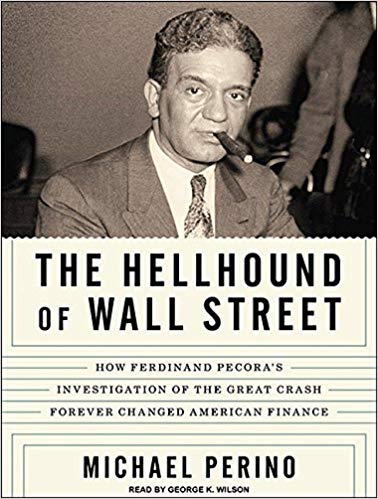
The Hellhound of Wall Street – How Ferdinand Pecora’s Investigation of the Great Crash Forever Changed American Finance provides a narrative of the Senate hearings that

If you withdraw money from your tax-deferred IRA or 401k accounts before you turn 59.5 you will owe a 10% penalty in addition to income

How much can you spend in retirement without the risk of running out of money? That is arguably the key consideration of your retirement income
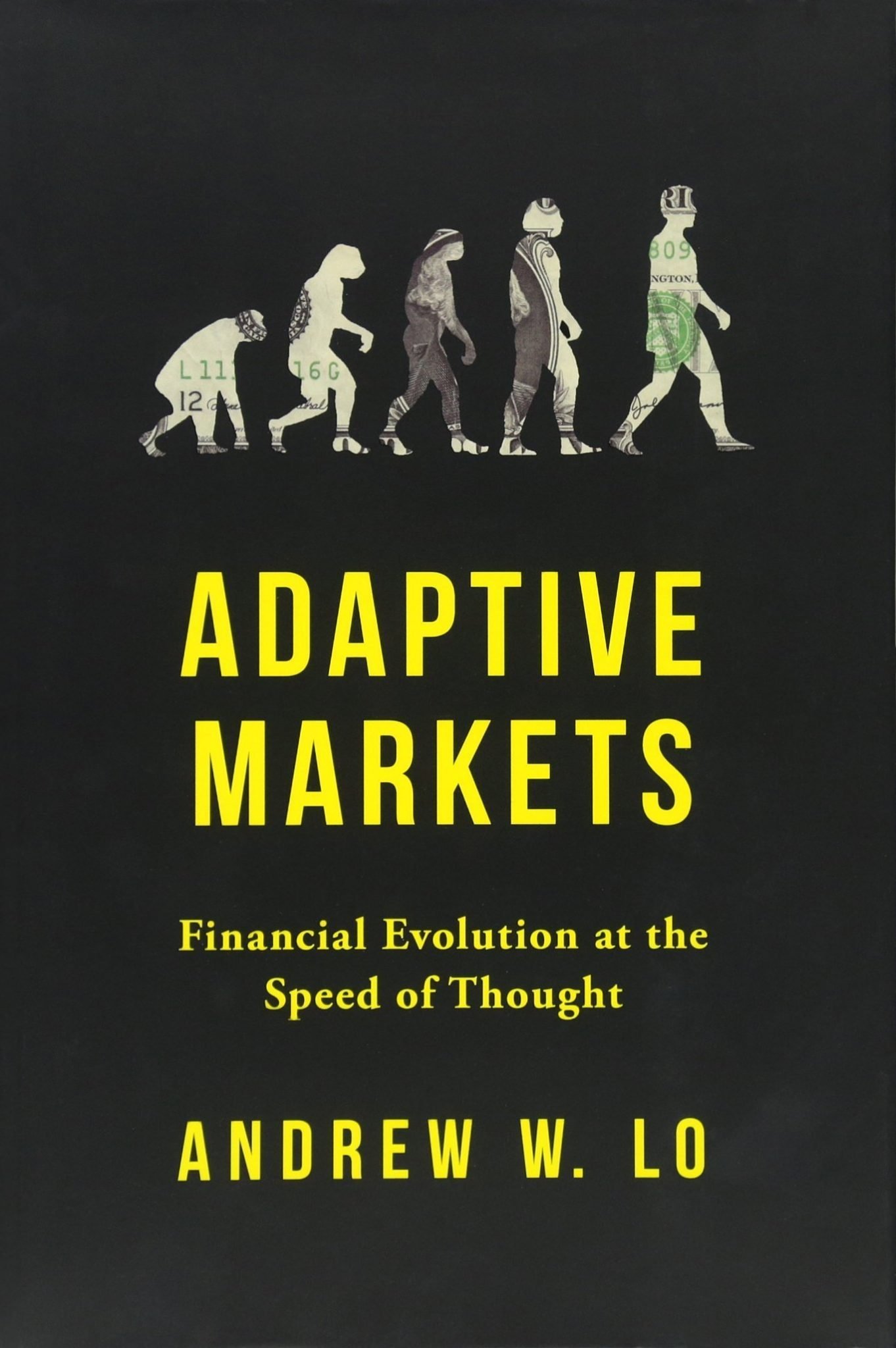
Adaptive Markets – Financial Evolution at the Speed of Thought by Andrew Lo is a deep dive into market theory. This book is not a

That’s not a typo. While asset allocation is a common investment term, asset location is an often overlooked aspect of retirement planning. That is unfortunate

Retirement income is inherently dependent on many different factors. This is true because retirement income planning involves accounting for unpredictable variables over a long time

Roth IRA’s are one of the most popular retirement accounts. Roth IRAs have many advantages over tax-deferred accounts, namely the ability to provide tax-free growth.

A bond ladder is a useful tool for providing security in retirement. A bond ladder can protect your investments from volatility and provide you with
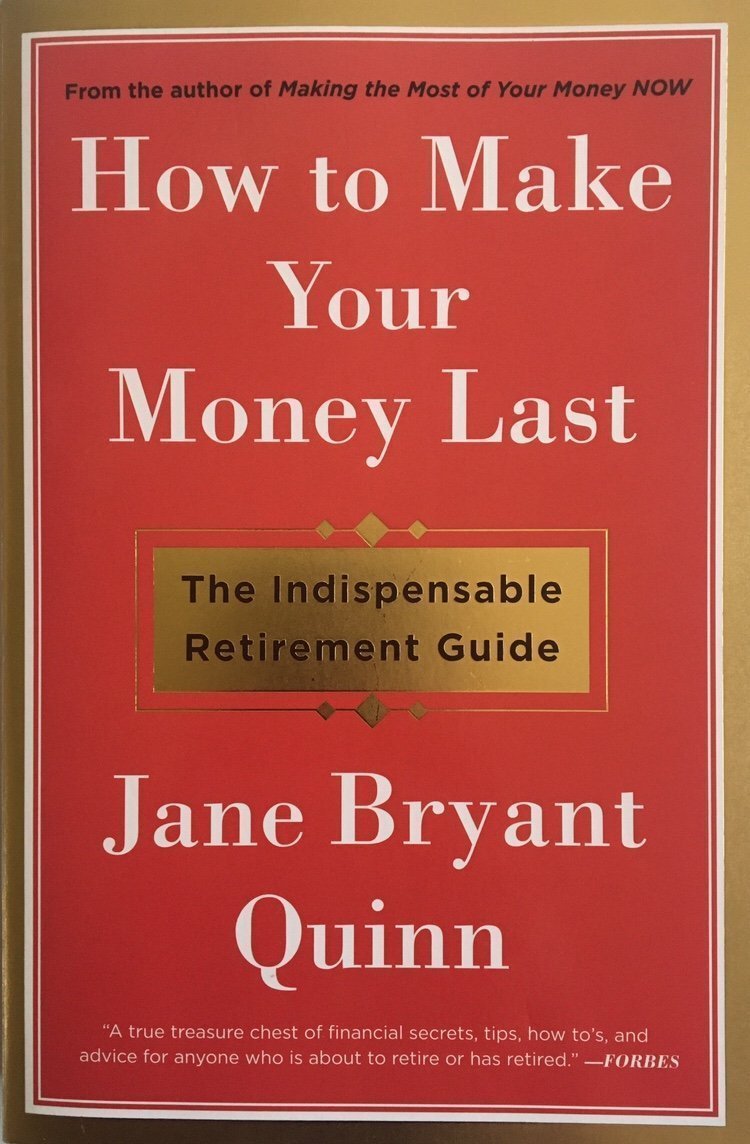
In How to Make Your Money Last – The Indispensable Retirement Guide, Jane Bryant Quinn provides an excellent comprehensive overview of retirement planning. If you

Bonds are a common asset in retirement accounts. Whether held individually or through an ETF, most retirement accounts contain bonds. Bonds are most often held

Yes, but with a nod to Paul Harvey, there is a “rest of the story”. It isn’t as simple as adding your benefit check to

If you save for retirement using tax-deferred accounts then you need to understand the rules surrounding required minimum distributions (RMDs) in order to avoid some

The purpose of accumulating retirement savings with tax-advantaged retirement accounts is to withdraw an income that will last for the duration of your retired lifetime.

The most commonly cited method of withdrawing retirement income from an investment portfolio is “the 4% rule”. This rule comes from a very popular study

What is sequence of returns risk? We often think of investment return as an average rate over some period, such as 10, 15, or 20

Tax reform stirred up a lot of debate. Fortunately, the Tax Cuts and Jobs Act did not greatly modify the retirement savings vehicles that often